%2Ffit-in%2F250x250%2Fguide_websites%2F131650%2Fimages%2F1776236428950chatgptimageapr15202603_00_20pm.png&w=1920&q=100)
Wahoo Fishing in Murrells Inlet SC with Captain Scott
Wahoo Fishing in Murrells Inlet - What to Expect
%2F%2Fusers%2Fe142147e-f47c-44e0-a471-02874b30d138%2Fimages%2Fmurrells-inlet-wahoo-catch-2677.jpg&w=1920&q=75)
Fishing, Tours Adventures by Captain Scott Mckinley in April
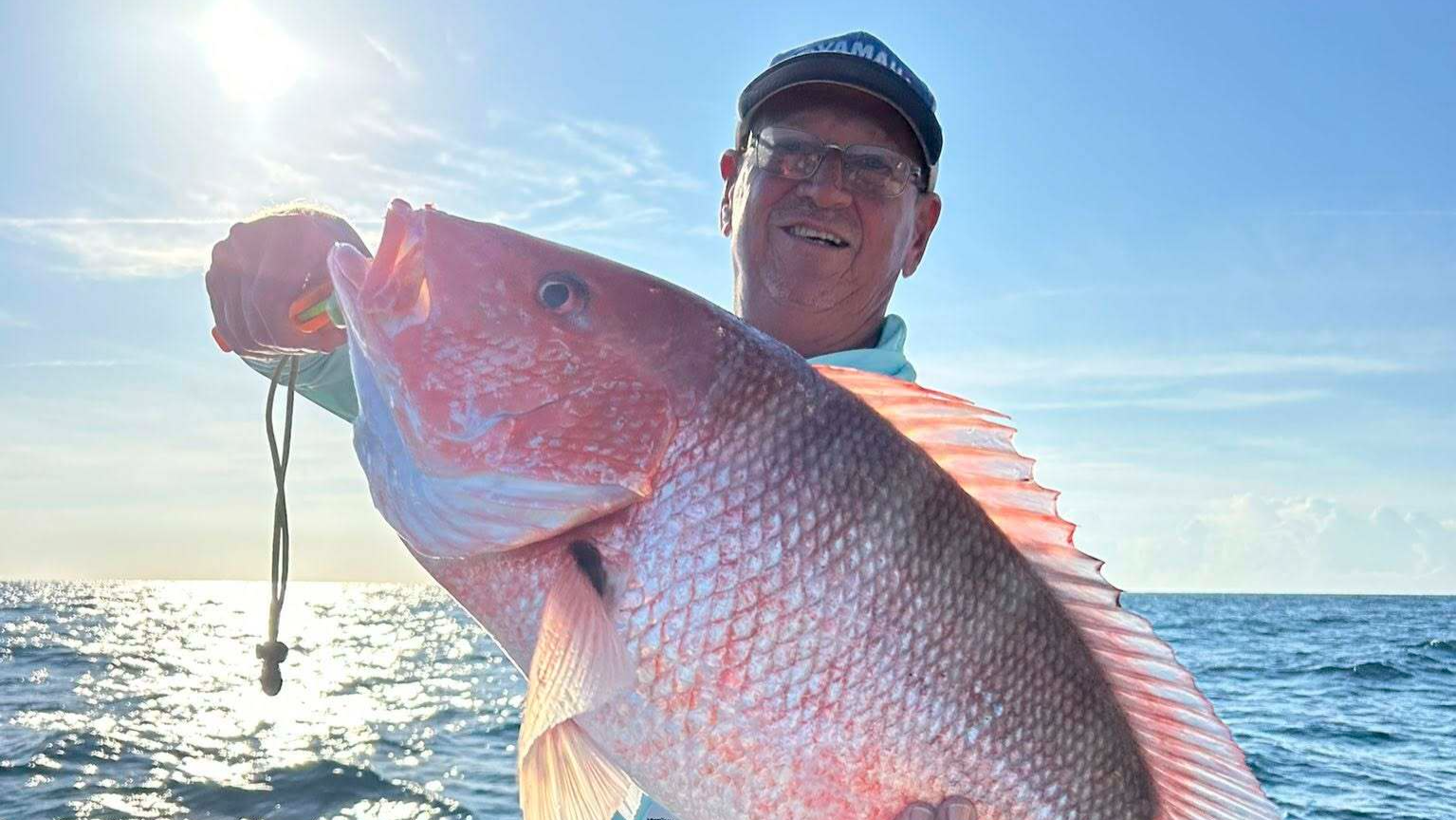
- Murrells Inlet sportfishing trips


Summary
Land explosive wahoo action on a Wednesday in April during a fishing and tours adventure in Murrells Inlet, SC. Captain Scott McKinley delivers adrenaline-charged offshore opportunities targeting powerful game fish. Expert technique meets prime fishing conditions for unforgettable saltwater excitement.
Fishing with Captain Scott McKinley - Rates & Booking
Captain Scott McKinley of McKinley Charters on Wednesday, April 15th delivers high-octane wahoo fishing expeditions in Murrells Inlet, SC. This premium fishing and tours adventure targets one of the Atlantic's most aggressive game fish species. Book your wahoo expedition online and prepare for explosive strikes, lung-powered runs, and the thrill of battling a premier offshore fighter.
Highlights of Your Wahoo Fishing Adventure
Wahoo action in Murrells Inlet showcases raw power and speed that separates this species from other game fish. These torpedo-shaped predators strike with violent intensity, delivering heart-pounding hookups that test your skills and equipment. Captain Scott's expertise puts anglers in prime hunting zones where wahoo congregate, dramatically increasing success rates and creating genuine trophy opportunities.
The offshore environment surrounding Murrells Inlet produces consistent wahoo encounters throughout the season. Deep blue water, current breaks, and structure concentration create ideal conditions for locating and engaging these aggressive strikers. Expect fast-paced action, technical presentations, and the rewarding satisfaction of mastering one of saltwater fishing's most demanding species.
Local Species Insights: Wahoo
Wahoo rank among the ocean's most explosive predators, renowned for lightning-fast attacks and acrobatic battles. These sleek, muscular fish inhabit offshore waters throughout the Atlantic, thriving in deep blue conditions found off the Murrells Inlet coast. Wahoo behavior centers on aggressive feeding patterns, particularly around structure and current-rich environments where prey concentrations spike.
Their hunting strategy relies on incredible speed and ambush tactics. Wahoo accelerate from standstill to full velocity in milliseconds, overwhelming prey with coordinated bursts of acceleration. When hooked, this same explosive power translates to spectacular runs, headshakes, and airborne displays that define the wahoo fishing experience.
Murrells Inlet's offshore positioning provides direct access to wahoo habitat. The combination of deep water, varied bottom structure, and rich baitfish populations creates year-round opportunities for encountering these magnificent fighters. Captain Scott leverages local knowledge of seasonal patterns, migration corridors, and feeding hotspots to consistently connect anglers with quality wahoo.
Tackle requirements for wahoo fishing demand specialized equipment designed to withstand their power and aggressive behavior. Heavy-duty rods, high-capacity reels, and premium line are essential components of wahoo-ready gear. Captain Scott ensures all equipment meets the demands of these formidable opponents, allowing anglers to focus purely on the thrill of the battle and the satisfaction of landing a genuine trophy.
Plan Your Wahoo Fishing Day
Your wahoo expedition with Captain Scott McKinley combines expert guidance with proven fishing strategy. The offshore environment demands respect and preparation, but delivers unmatched excitement for serious anglers. Murrells Inlet charters provide comfortable platforms for full-day pursuits, allowing extended time on productive fishing grounds. Bring sunscreen, polarized sunglasses, and a willingness to engage in some of saltwater fishing's most intense action. This is wahoo fishing at its finest - fast-paced, explosive, and absolutely unforgettable.
Fishing in Murrells Inlet, SC: Wahoo Fish
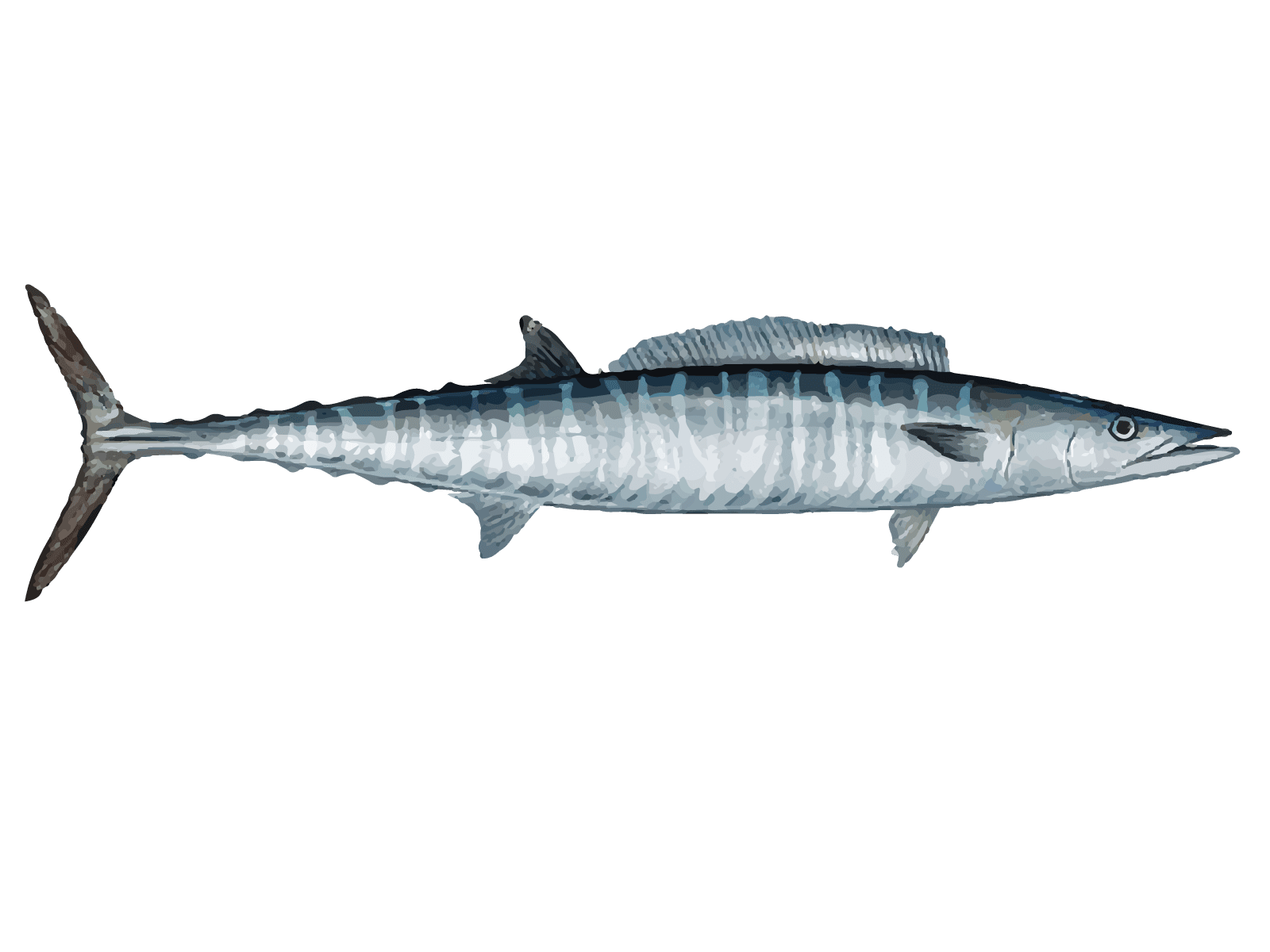
Wahoo Fish Overview
The Wahoo (Acanthocybium Solandri) is a sleek, torpedo-shaped game fish belonging to the family Scombridae and order Perciformes. Known locally in Hawaii as Ono—a Hawaiian word meaning "delicious" or "good to eat"—this fish is one of the ocean's most prized catches for sport anglers and seafood enthusiasts alike. With its distinctive shimmering blue-green back, silvery flanks adorned with zebra-like striping, and a beak-like snout lined with razor-sharp serrated teeth, the Wahoo is instantly recognizable. What truly sets this species apart is its incredible speed; it can cruise at an average of 48 mph and burst up to 60 mph, making it a thrilling opponent for any angler willing to take on the challenge in tropical and subtropical waters worldwide.
The Wahoo's colorful exterior and aggressive hunting behavior make it a favorite among sport fishermen from Florida to the Bahamas and beyond. Its high-speed pursuits and dramatic strikes create unforgettable fishing moments that keep enthusiasts returning to the water season after season.
Wahoo Fish Habitat and Distribution
The Wahoo thrives in all tropical and subtropical waters across the Atlantic, Indian, and Pacific Oceans. This pelagic open-ocean species has a widespread native range but shows fascinating migration patterns depending on seasonal water temperatures. In the North Atlantic, it becomes abundant during summer months from North Carolina and Bermuda southward, with year-round populations established in Florida and the Gulf of Mexico.
In the northern Gulf of Mexico near Port Aransas, Texas, Wahoo populations congregate around oil and gas platforms during cooler months, offering anglers excellent nearshore opportunities. The species is commonly found in waters up to 66 feet deep but frequently ventures into deeper offshore territories. While generally solitary hunters, they occasionally form small groups of 2–3 individuals and congregate in larger schools during breeding season. The Bahamas represents one of the premier destinations for Wahoo fishing, particularly between March and November when migration numbers peak. Hawaii also provides exceptional offshore and nearshore reef habitat where these fish thrive year-round but are most abundant from May through October.
Wahoo Fish Size and Weight
Wahoo fish are fast-growing predators that typically range from 3 to 5 feet in length, though documented specimens have reached impressive proportions. The minimum recorded size for sport fishing is around 8 inches, while exceptional individuals exceed 8 feet in total length. Most commercial and recreational catches fall between 15 and 50 pounds, providing an exciting balance of manageable tackle and thrilling action.
The International Game Fish Association (IGFA) All-Tackle world record stands at an astounding 184 pounds, caught in Mexico in 2005. This exceptional specimen demonstrates the species' potential to reach truly trophy proportions. The maximum documented length is approximately 100 inches, making large Wahoo a legitimate bucket-list catch for serious anglers pursuing heavyweight game fish.
Wahoo Fish Diet and Behavior
As apex pelagic predators, Wahoo possess remarkably diverse and aggressive feeding habits. Their diet consists of squid, various tuna species, little tunny, porcupine fish, flying fish, dolphinfish, jacks, herring, pilchards, scad, frigate mackerel, butterfish, lantern fish, and numerous other pelagic prey species. This dietary flexibility reflects their status as successful hunters perfectly adapted to open-ocean conditions.
Wahoo are ambush predators that use their incredible speed to chase down prey with explosive acceleration. Their streamlined, spindle-shaped bodies and exceptional endurance make them nearly unstoppable once they commit to a strike. Unlike many fish species, Wahoo cannot regulate their body temperature and must constantly move to maintain optimal metabolic function. This perpetual motion, combined with their aggressive feeding drive, makes them exciting targets for anglers. They are solitary or form small hunting groups but only face predation from the ocean's largest apex predators—sharks and billfish—due to their speed and size. Upon capture or death, their vibrant colors fade remarkably quickly, a phenomenon that fascinates anglers and marine enthusiasts alike.
Wahoo Fish Spawning and Seasonal Activity
Wahoo reproduce through broadcast spawning, a reproductive strategy where females simultaneously release millions of eggs while males discharge sperm into the water column. This synchronized spawning approach dramatically increases fertilization success rates while reducing predation on vulnerable eggs. Females can produce several million eggs annually, and this extraordinary reproductive capacity combined with their accelerated growth rate has safeguarded the species from overfishing pressures.
The Wahoo maintains a year-round spawning season primarily concentrated in Florida and Caribbean waters, with peak activity occurring during warmer months. Adults reproduce multiple times throughout the year, ensuring consistent population replenishment. In Florida, Wahoo abundance peaks from July through November, making these months ideal for targeting this species in Atlantic and Gulf Coast waters. The Bahamas experience peak migration and spawning activity between March and November, while Hawaiian waters see peak fishing from May through October, correlating with warmer water temperatures and optimal feeding conditions.
Wahoo Fish Techniques for Observation and Capture
High-Speed Trolling Method: High-speed trolling at 12–15 knots using a 4–6 lure spread is the most effective technique for targeting Wahoo. Anglers should employ a fast trolling rig featuring a 30–50 wide reel spooled with wire leaders, since Wahoo teeth easily slice through monofilament or fluorocarbon lines. A double braided line attached to an 80–100 pound fluorocarbon leader approximately two feet long provides optimal strength and abrasion resistance. Minnow lures, bulletheads, and plungers are proven favorites that trigger aggressive strikes. In the Gulf of Mexico near Port Aransas, Texas, focusing your high-speed trolling around offshore platforms during fall and winter months yields consistent results.
Slow Trolling and Fresh Bait Technique: For anglers preferring a slower presentation, trolling at 8–10 knots with fresh ballyhoo baited on double J-hooks combined with rubber-skirted resin head lures or diving-lipped plugs proves highly effective. This method works particularly well in nearshore reef environments where Wahoo congregate. The slower speed allows the bait to present more naturally while still maintaining the action that triggers strikes from curious predators.
Jigging and Chunking Methods: Using vertical jigs beneath floating debris or employing a chunking strategy—cutting and dispersing bait chunks to create a scent trail—effectively attracts Wahoo to your location. These techniques work especially well around reef structures and nearshore platforms where fish naturally congregate. Around Florida's offshore reefs and the Bahamas' blue water zones, jigging produces explosive topwater strikes that create unforgettable fishing moments.
Wahoo Fish Culinary and Nutritional Value
Wahoo is genuinely excellent eating and commands premium prices at seafood markets worldwide. The flesh is firm and white with a mild, slightly sweet flavor often compared to tuna, swordfish, and mahi-mahi. Its delicate flaky texture appeals to discerning palates, and the low oil content makes it ideal for those preferring leaner seafood options. Wahoo fish tacos have become legendary throughout coastal communities, showcasing the versatility of this premium game fish in culinary applications.
Nutritionally, Wahoo is an outstanding protein source, extremely lean, low in saturated fat and sodium, and rich in omega-3 fatty acids, niacin, vitamin B6, and vitamin B12. These nutrients support heart health, brain function, and overall wellness. When prepared properly—whether grilled, baked, pan-seared, or incorporated into traditional dishes—Wahoo delivers an exceptional dining experience that satisfies even the most demanding seafood enthusiasts. The species' combination of sport value, culinary excellence, and sustainability through natural high reproductive rates makes it a responsible choice for both fishing and consumption.
Wahoo Fish Frequently Asked Questions
Q: What is the best bait and tackle setup for catching Wahoo fish?
A: Wire leaders are essential since Wahoo teeth cut through monofilament and fluorocarbon easily. Use a 30–50 wide reel with 80–100 pound leaders approximately two feet long. Fresh ballyhoo, minnow lures, bulletheads, and plungers all trigger aggressive strikes. High-speed trolling at 12–15 knots with multiple lures dramatically increases your chances of connecting with these speed demons.
Q: Where can I find Wahoo fish near Florida or the Bahamas?
A: Florida offers excellent year-round opportunities, with peak abundance from July through November. The Bahamas represents perhaps the premier destination worldwide, particularly between March and November during peak migration periods. Look for nearshore reef structures, offshore platforms, and deep blue water environments. Around Port Aransas in the Gulf of Mexico, fall months produce exceptional catches near offshore oil and gas platforms.
Q: Is Wahoo fish good to eat, and what nutritional benefits does it provide?
A: Absolutely—Wahoo is premium seafood with firm, white, mild-flavored flesh often compared to tuna and swordfish. It's an extra-lean protein source low in saturated fat and sodium while being rich in omega-3 fatty acids, vitamin B12, niacin, and vitamin B6. Wahoo fish tacos and grilled preparations are particularly popular preparations that showcase its delicate flavor.
Q: When is the best time to fish for Wahoo throughout the year?
A: Timing varies by location. In Florida, target July through November for peak abundance. The Bahamas experience excellent fishing March through November. Hawaii offers year-round opportunities with peak activity from May through October. Gulf of Mexico locations like Port Aransas are best during cooler fall and winter months. Always check local seasonal reports for current conditions and migration patterns.
Q: How fast can Wahoo swim, and what makes them such exciting game fish?
A: Wahoo average speeds of 48 mph with documented bursts exceeding 60 mph, making them among the ocean's fastest fish. Their spindle-shaped bodies, aggressive predatory behavior, explosive strikes, and incredible endurance create heart-pounding fishing experiences. These speed and power characteristics make them prized by sport anglers seeking thrilling confrontations with true oceanic athletes.
Q: What distinguishes Wahoo from similar species like mackerel or barracuda?
A: Wahoo possess a distinctive fold of skin covering their jaw when the mouth closes, differentiating them from Spanish and Atlantic mackerel. Compared to barracuda, Wahoo display more pronounced zebra-like striping, a more elongated body profile, and superior speed. Their shimmering blue-green coloration and serrated teeth are also distinctive identifying features. Upon death, Wahoo colors fade remarkably quickly—a unique characteristic that fascinates fishermen.