%2Ffit-in%2F250x250%2Fguide_websites%2F131650%2Fimages%2F1776236428950chatgptimageapr15202603_00_20pm.png&w=1920&q=100)
Black Sea Bass Fishing Catch in Murrells Inlet SC
Black Sea Bass Fishing in Murrells Inlet - What to Expect
%2F%2Fusers%2Fe142147e-f47c-44e0-a471-02874b30d138%2Fimages%2Fmurrells-inlet-mixed-species-catch-3058.jpg&w=1920&q=75)
Fishing, Tours Adventures by Captain Scott Mckinley in April
- Murrells Inlet sportfishing trips


Summary
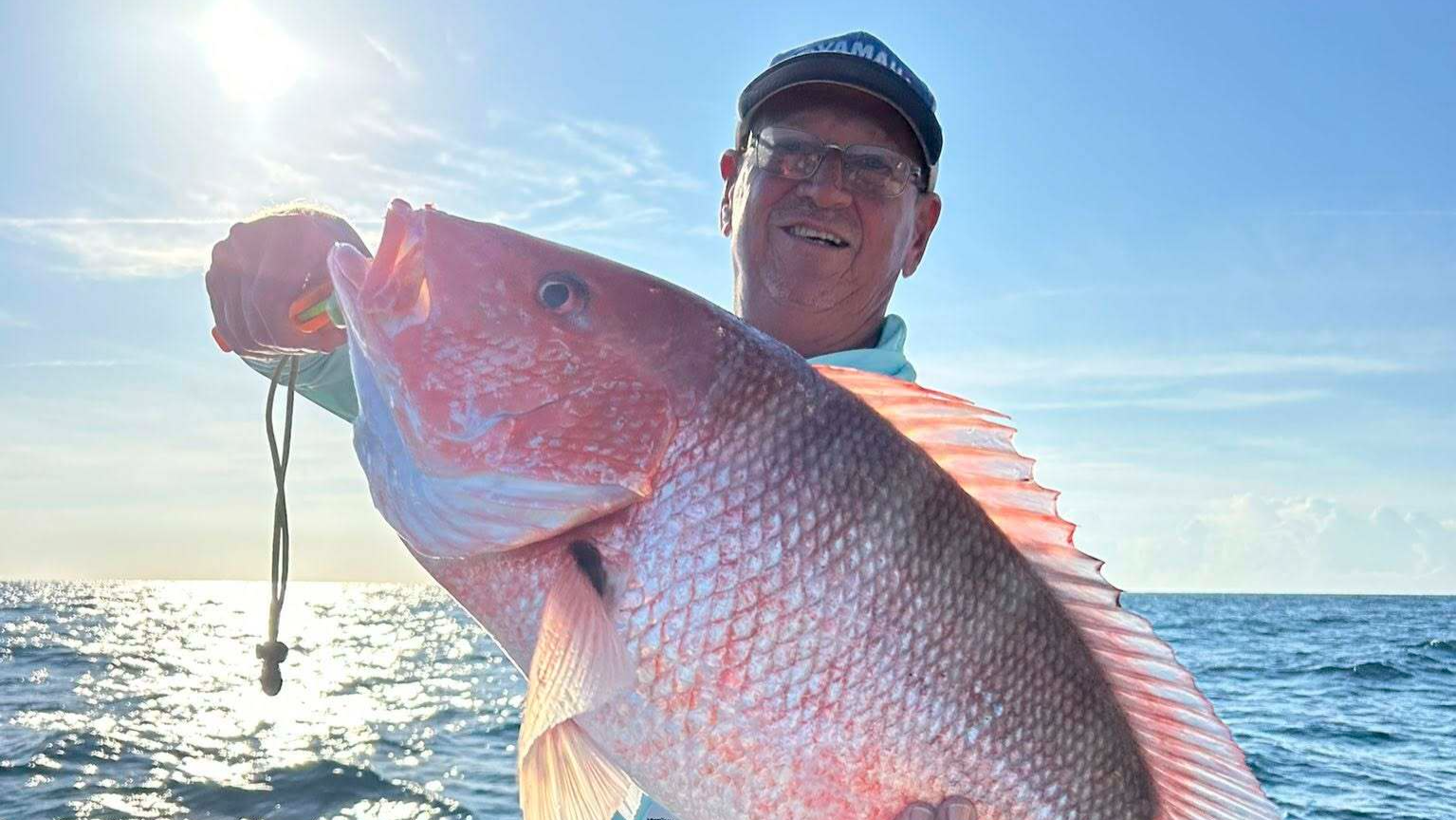
Join Captain Scott Mckinley of Mckinley Charters on Wednesday, April 15 for an unforgettable fishing and tours adventure in Murrells Inlet, SC. This catch display showcases the diverse species available in local waters, including Black Sea Bass, Sand Perch, and Red Snapper. Learn about the habitat preferences and behavior of these fish while mastering effective techniques to land your own trophy.
Fishing with Captain Scott Mckinley - Rates & Booking
Captain Scott Mckinley of Mckinley Charters welcomes anglers to Murrells Inlet on Wednesday, April 15 for premier fishing and touring adventures. Book your charter experience online to secure your spot and explore the productive waters of South Carolina's coast. Contact Mckinley Charters directly for current rates, available dates, and custom trip packages tailored to your skill level and fishing goals.
Highlights of Your Fishing Adventure
The waters around Murrells Inlet deliver consistent action for multiple fish species throughout the year. Captain Mckinley's experience and local knowledge ensure you'll learn proper techniques while fishing productive grounds. The variety of species available - from Black Sea Bass to Red Snapper and Sand Perch - means every angler has opportunities to succeed, whether you're a beginner or experienced fisherman seeking trophy catches.
Murrells Inlet's location along South Carolina's Grand Strand provides access to diverse fishing environments, including nearshore reefs, structured bottom, and open water grounds. This geographic advantage means your charter can target multiple species and adjust strategy based on conditions and your preferences.
Local Species Insights: Black Sea Bass and Coastal Catches
Black Sea Bass dominate many catches in Murrells Inlet and surrounding waters, making them the primary target for local charters. These fish thrive around structure - rocks, reefs, and artificial habitats where they hunt for crustaceans and small fish. Understanding their behavior helps anglers locate and catch them consistently.
Black Sea Bass typically inhabit depths from 40 to 200 feet, though they can be found shallower during certain seasons. They're structure-oriented hunters that use cover to ambush prey, so successful fishing focuses on presenting bait or lures near rocky areas and reef systems. These fish are known for aggressive strikes, making them exciting to catch and excellent fighters on light to medium tackle.
Sand Perch, another common species in this region, prefer sandy and shell bottom habitats in slightly deeper water. They school together, which means once you locate one, more are usually nearby. Red Snapper fishing requires deeper drops and more specialized techniques, but they're prized for their size, strength, and table quality.
The coastal environment around Murrells Inlet creates ideal conditions for these species because the inlet's geography mixes sandy areas, rocky substrate, and deeper channels. This diversity means Captain Mckinley can position anglers on different grounds to target specific species or provide variety throughout your charter. Water temperature, tide movement, and seasonal patterns all influence where fish congregate, knowledge that experienced guides use to maximize your success.
Learning to read structure, understand depth preferences, and match your technique to each species transforms a fishing trip into an educational experience. Captain Mckinley shares insights about why fish behave certain ways, how environmental factors affect their feeding patterns, and which tactics work best during different conditions. This knowledge applies beyond this single charter and helps you become a more successful angler long-term.
Fishing in Murrells Inlet, SC: Black Sea Bass, Sand Perch and Red Snapper
Black Sea Bass Overview
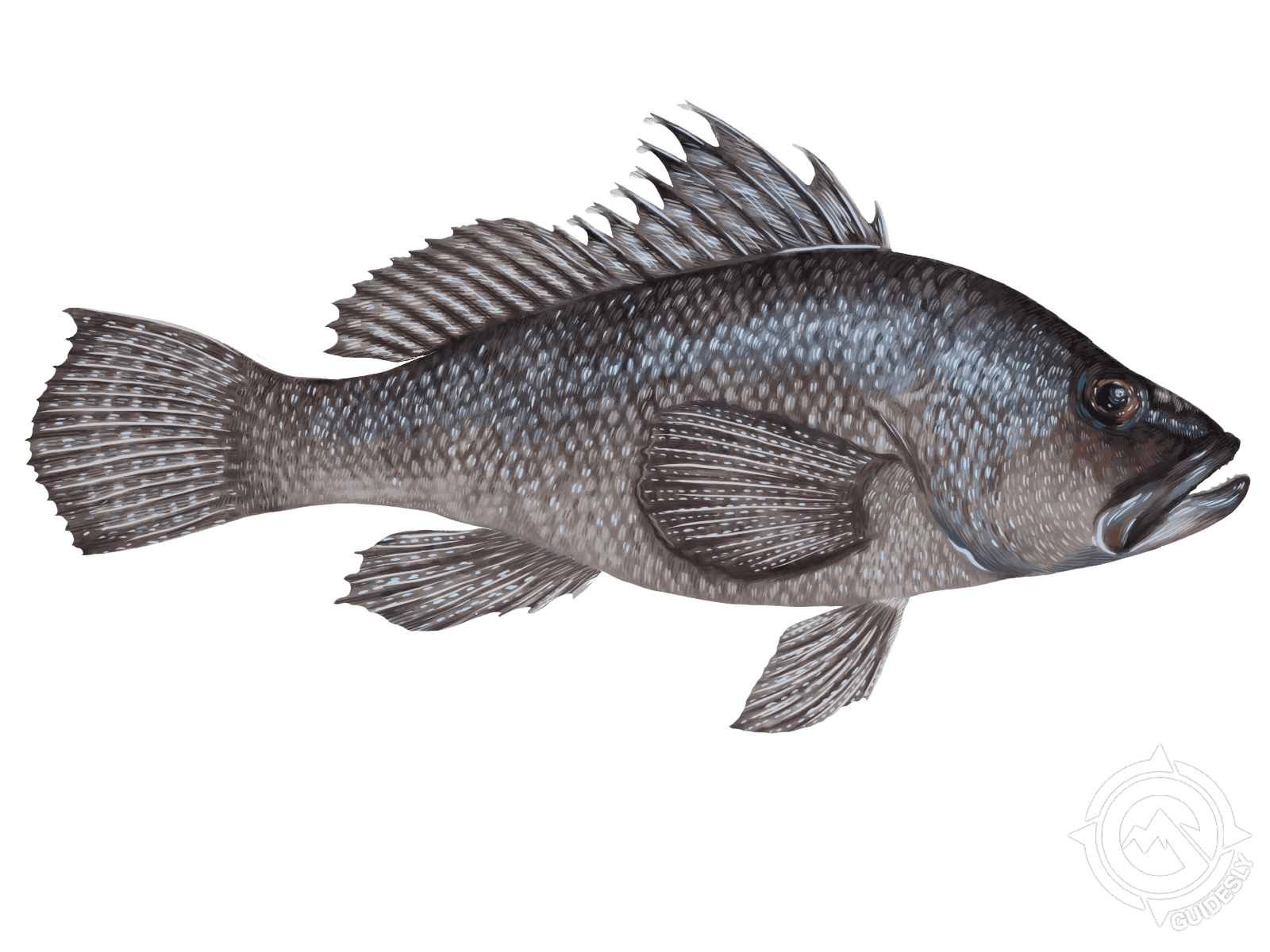
The Black Sea Bass (Centropristis Striata) is a fascinating member of the Serranidae family, belonging to the order Perciformes, and represents one of the most popular gamefish along the Atlantic coast. These plump-bodied beauties are instantly recognizable by their extended pelvic and dorsal fins adorned with white spots and bands, while their gray-to-black coloring with white-centered scales creates a striking appearance in shallow and deep waters alike. What makes this species truly remarkable is its unique biological characteristic: they are born female and can transition to males when they reach 9 to 13 inches in length—a fascinating adaptation influenced by social dynamics within their population. Found abundantly from the Gulf of Maine down to the Florida Keys and throughout the Gulf of Mexico, the Black Sea Bass has become increasingly accessible to anglers in places like Massachusetts and beyond, making it a cornerstone of recreational fishing culture along America's eastern seaboard.
Black Sea Bass Habitat and Distribution
Black Sea Bass thrive in a wide variety of underwater structures and environments, making them predictable targets for seasoned anglers. During summer months, they congregate around sunken wrecks, rocky bottoms, old pilings, and wharves at depths typically less than 120 feet. Juvenile bass prefer estuaries where they can feed safely and avoid larger predators, while adult populations spread across offshore and nearshore reefs. The species' geographic range has expanded dramatically in recent years; historically confined to Massachusetts as the northernmost limit, warming ocean temperatures have pushed populations northward into the Gulf of Maine, where they now thrive in previously marginal habitats. Winter migration patterns see these fish retreating to warmer South Atlantic states and offshore deeper waters. Their adaptability to various bottom structures—from rocky outcrops to sandy flats near jetties and piers—makes them accessible to both shore-based and boat anglers across diverse coastal regions.
Black Sea Bass Size and Weight
The Black Sea Bass typically ranges from 10 to 26 inches in length, with most recreational catches weighing between 2 and 9 pounds. While the average caught fish hovers around 3 to 4 pounds, the species is capable of reaching impressive proportions; the world record stands at an extraordinary 10 pounds 4 ounces, caught in Virginia Beach in January 2000. Larger males, which often exceed 5 pounds, tend to inhabit deeper waters with rocky bottoms and are prized by trophy-seeking anglers. Juveniles are considerably smaller, typically under 10 inches, and display the characteristic brown coloration with a dark stripe running the length of their body. This size progression correlates directly with their sex change; females mature at 2 to 5 years of age and can produce approximately 280,000 pelagic eggs annually, ensuring robust population recruitment.
Black Sea Bass Diet and Behavior
Black Sea Bass are primarily bottom feeders with a diverse diet that reflects their opportunistic hunting strategy. Adult and juvenile populations consume a variety of invertebrates including hermit crabs, rock crabs, squid, and razor clams—prey items they root from sandy and rocky substrates. While predominantly bottom-oriented hunters, they will occasionally strike at suspended jigs, plugs, and lures, making them less predictable than pure benthic foragers. Their behavior changes seasonally and with water temperature; during warmer months, they exhibit increased feeding activity and move shallow to feed and spawn. Social hierarchies play an important role in their biology: the presence or absence of dominant males directly influences whether larger females will undergo sex reversal to fill the reproductive role, demonstrating that this species exhibits complex behavioral ecology beyond simple feeding and survival mechanics.
Black Sea Bass Spawning or Seasonal Activity
The Black Sea Bass displays dramatic seasonal and reproductive behaviors that dictate their availability to anglers. Spawning season triggers remarkable physiological changes in males, who develop brilliant blue coloration and a pronounced hump on their heads—a visual transformation that intensifies their appeal to observant naturalists. Females typically mature between ages 2 and 5, and their reproductive output of approximately 280,000 pelagic eggs per season ensures population sustainability. Summer months (June through September) represent peak feeding and congregation periods near shore, making this the ideal fishing window for most anglers. The Federal Recreational Black Sea Bass season operates during two distinct periods: February 1 through February 28, and May 15 through December 31, with restrictions designed to protect spawning populations. Winter migration pushes populations southward and offshore, requiring anglers to adjust tactics and target deeper, warmer Atlantic waters if they wish to maintain consistent success during colder months.
Black Sea Bass Techniques for Observation or Capture
Method 1: Wreck and Reef Fishing with Medium-Weight Tackle — Equip yourself with a 6 to 8-foot medium-weight rod paired with a reel spooled with 20 to 30-pound fused, monofilament, or braided line. Navigate to known wreck sites, rocky reefs, or old pilings during summer months (late spring through early fall) when bass congregate in these structures. Deploy two-hook bait rigs baited with live squid or fish strips, allowing the rig to settle on the bottom where bass actively feed. This method produces consistently excellent results and allows you to feel the distinctive take of a striking bass before the hook set.
Method 2: Jigs and Lures Around Nearshore Structures — Venture to jetties, piers, and wharves with smaller jigs (1/4 to 1/2-ounce) tipped with squid or soft plastics. Cast near the structure edges and along drop-offs, retrieving with subtle rod movements to trigger aggressive strikes. This technique works particularly well during early morning and evening hours when light penetration changes and bass move to feed. The medium odds for angling success with this species means patience and persistence yield rewards.
Method 3: Estuarine Summer Fishing for Juveniles and Shallow-Water Adults — Explore shallow estuaries during summer months where juvenile populations congregate and larger adults pursue baitfish migrations. A light 6-foot rod with 10 to 15-pound line allows better sensitivity to subtle bottom touches. Cast live minnows or shrimp into 8 to 15-foot depths along creek channels and grass-lined banks. Around Massachusetts and coastal New England, estuaries like those in Cape Cod and Rhode Island offer outstanding access to both juvenile and adult populations, making these regions excellent starting points for developing your Black Sea Bass skills.
Black Sea Bass Culinary or Utilization Notes
The Black Sea Bass earns its reputation as an excellent food fish with firm, white flesh that remains moist during cooking and delivers a mild, slightly sweet flavor profile. The meat is versatile in the kitchen—suitable for baking, pan-searing, steaming, or grilling—and holds structural integrity well due to the species' relatively dense musculature. Culinary experts often recommend leaving the skin on during cooking to prevent drying, and the fish yields substantial fillets even from modest 3 to 4-pound specimens. Nutritionally, Black Sea Bass provides lean protein, omega-3 fatty acids, and essential minerals, making it a heart-healthy dietary choice. From a sustainability perspective, the Federal recreational regulations and seasonal closures demonstrate a commitment to maintaining healthy population levels, meaning responsible anglers can enjoy this species with confidence in its long-term availability.
Black Sea Bass Frequently Asked Questions
Q: What is the best bait for catching Black Sea Bass?
A: Live squid and fish strips consistently outperform other baits for Black Sea Bass, though hermit crabs and razor clams also produce excellent results. Live bait presentations on two-hook rigs deployed on the bottom near wreck structures yield the highest success rates, particularly during summer months when feeding activity peaks.
Q: Where can I find Black Sea Bass near Massachusetts?
A: Black Sea Bass are found throughout Massachusetts coastal waters, from the rocky reefs off the North Shore to the Cape Cod wrecks and southern estuaries. Summer congregation near jetties, piers, and shallow wrecks in 30 to 80 feet of water provides excellent access, while deeper offshore structures hold larger specimens during spring and fall shoulder seasons.
Q: Is Black Sea Bass good to eat?
A: Absolutely—Black Sea Bass ranks among the finest eating fish on the Atlantic coast. The firm, white flesh delivers a mild, slightly sweet flavor that remains moist during cooking. Pan-searing fillets skin-side down produces restaurant-quality results, and the species' nutritional profile—including omega-3 fatty acids and lean protein—makes it a healthy culinary choice.
Q: When is the best time to catch Black Sea Bass?
A: Late spring through early fall (May through September) represents the prime window when Black Sea Bass congregate near shore in accessible depths. The Federal recreational season runs February 1-28 and May 15-December 31, though summer offers the most reliable and productive fishing. Early morning and evening hours typically produce more aggressive feeding than midday periods.
Q: What rod and reel setup do I need for Black Sea Bass?
A: A 6 to 8-foot medium-weight rod paired with a conventional or spinning reel spooled with 20 to 30-pound line provides the ideal balance of sensitivity and power. This setup allows you to feel bottom structure and fish movements while maintaining sufficient strength to land 5+ pound specimens and maneuver in weedy or rocky environments.
Q: How has climate change affected Black Sea Bass distribution?
A: Warming Atlantic waters have pushed Black Sea Bass populations northward beyond their historical Massachusetts boundary into the Gulf of Maine, where water temperatures have risen sufficiently to support thriving populations. This range expansion creates new angling opportunities in previously marginal habitats and represents one of the most visible ecological shifts in Atlantic coastal fisheries over the past two decades.
Sand Perch Overview
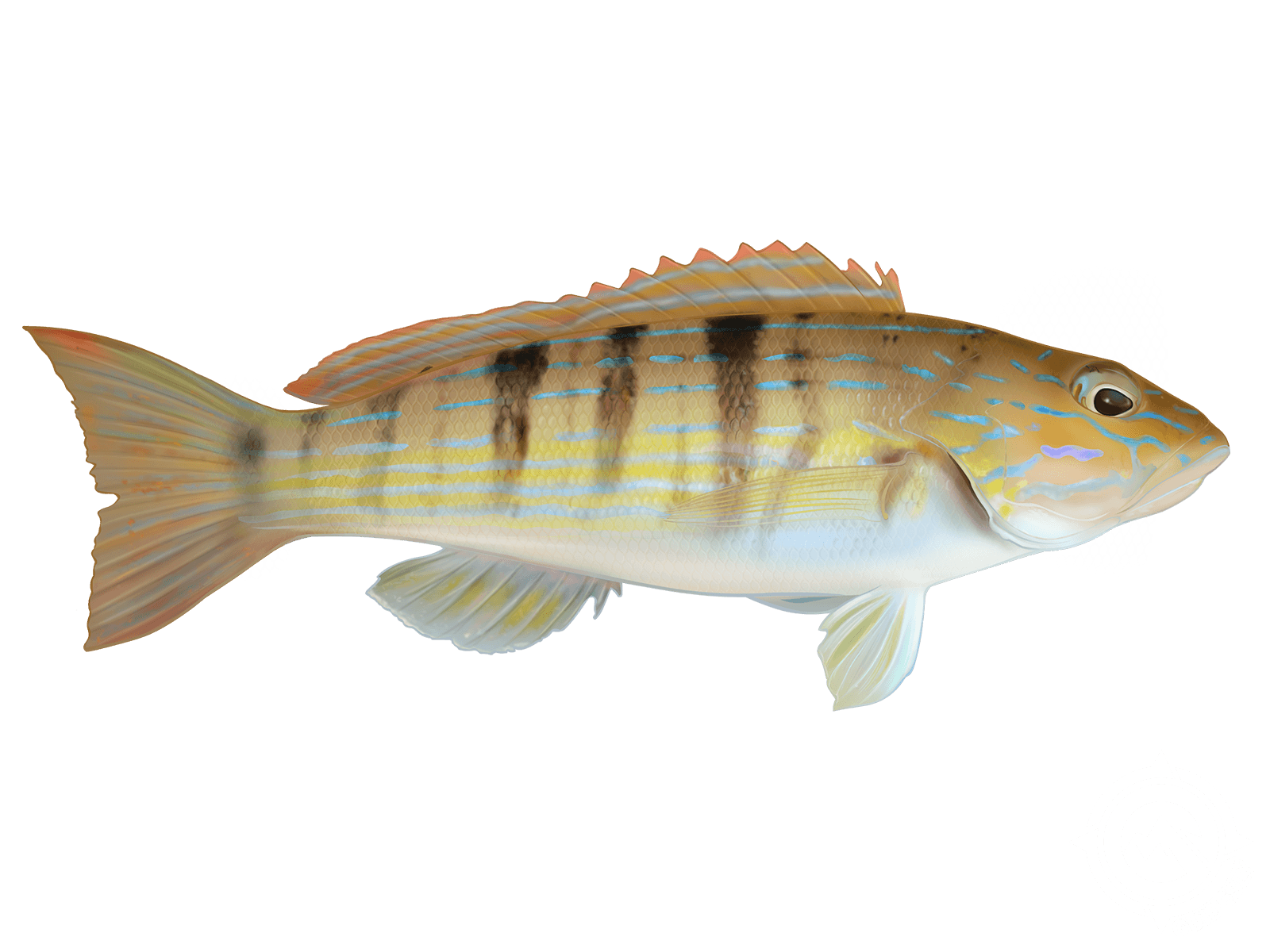
The Sand Perch (Diplectrum formosum) is a fascinating member of the Serranidae family, part of the larger order Perciformes, and represents one of the Atlantic coast's most accessible yet often overlooked panfish species. Also known as sand sea bass, sandfish, or squirrelfish, this small but spirited inshore fish has earned a special place in the hearts of coastal anglers and marine enthusiasts. What makes the Sand Perch truly interesting is its striking appearance—adorned with dark vertical bars, seven irregular horizontal blue lines, and a distinctive midline stripe that culminates in a dark spot at the tail base. These territorial little fighters are commonly found in shallow bays, over sandy and rubble substrates, and around coastal structures from Florida to the Carolinas and beyond, making them a reliable target for both experienced anglers and newcomers looking to experience the thrill of saltwater fishing.
Sand Perches are beloved among local fishing communities because they're accessible, plentiful in the right habitats, and offer an exciting, if brief, battle on light tackle. Their behavioral quirks—such as rapid color-changing abilities and solitary territorial habits—make them endlessly entertaining to observe and pursue.
Sand Perch Habitat and Distribution
Sand Perches are benthic creatures that call shallow, warm inshore waters home. These fish prefer to inhabit areas with rubble or sand substrates, typically found at depths ranging from a few feet down to approximately 262 feet, though they're most commonly encountered in shallower zones. They favor shallow bays, seagrass beds, rocky areas, and reefs where they can establish and defend their territories. Sand Perches also thrive around wrecks and deep channels, and they have a preference for living in holes dug into sandy bottoms—these burrows serve as their shelters when predators approach. The species is native to Atlantic coastal waters and shows a strong affinity for inshore environments where food is abundant and suitable substrate is available. These fish are notoriously territorial and do not school like other fish species; instead, they remain isolated, defending their chosen patches with surprising aggression.
Sand Perch Size and Weight
Sand Perches are modest in stature, which is part of their charm as a panfish target. Typical specimens range from 4 to 11 inches in length, with most caught fish falling between 5 and 9 inches. In terms of weight, you can expect these little fighters to tip the scales at 1 to 2 pounds, depending on their age and overall condition. Despite their small size, they put up a spirited fight on appropriate tackle. The species reaches sexual maturity at around 2 to 3 years of age and typically lives up to 6 or 7 years in the wild, allowing for multiple generations within an angler's fishing career.
Sand Perch Diet and Behavior
Sand Perches are ambush predators with an opportunistic appetite, primarily hunting small fishes and crustaceans in shallow coastal environments. Their diet consists of small sea bass, sea robins, blennies, flatfishes, filefish, gobies, crabs, shrimp, and amphipods—essentially whatever small prey they can fit into their notably enlarged, curled-back lips and canine-toothed jaws. These predatory fish are highly territorial, establishing and fiercely defending feeding zones in their chosen habitats. Their behavior is marked by periods of relative inactivity punctuated by rapid feeding strikes when prey is detected. One fascinating behavioral trait is their ability to rapidly change the color and intensity of their stripe and bar patterns from pale to dark, likely serving as a form of communication or camouflage. Despite their aggressive nature toward competitors of their own species, Sand Perches fall prey to larger predators including groupers, snappers, red porgy, bull sharks, red drum, and various sea birds, making them an important link in coastal food webs.
Sand Perch Spawning or Seasonal Activity
Sand Perches display an intriguing reproductive biology that sets them apart from many other fish species. They are classified as simultaneous hermaphrodites, meaning their gonads contain both male and female reproductive tissues separated only by a thin membrane. Despite this dual sexual capability, they cannot self-fertilize and must engage in reproductive interactions with other individuals. The species typically matures sexually at 2 to 3 years of age, with peak spawning activity occurring during warmer months when water temperatures rise and prey availability increases. Seasonal activity patterns align with typical coastal fish behavior, with increased feeding and movement during spring and summer months when water temperatures climb, and reduced activity during cooler winter periods.
Sand Perch Techniques for Observation or Capture
Method 1: Line and Hook with Live or Cut Bait — The most accessible and popular technique for capturing Sand Perches involves using a simple rod and reel with medium-light tackle, armed with fresh shrimp or cut squid as bait. Cast your offerings near rocky bottoms, around pilings, and along the edges of seagrass beds where these fish establish their territories. Use a small hook—sizes 2 to 1/0 work well—and keep your presentation close to the substrate where Sand Perches hunt. Fish the shoreline, near small boats, around bridges, and anywhere structure interrupts the sandy or rubble bottom. Patience is key; allow your bait to settle and remain relatively stationary, as these territorial fish often strike with confidence once they claim your offering.
Method 2: Cast Net Deployment — For anglers interested in live-capturing Sand Perches for observation or food, a cast net proves highly effective in shallow bays and over known feeding grounds. A 4- to 6-foot net with quarter-inch mesh works well for this species. Locate areas with sandy bottom and shallow structure, then cast your net in an arc, allowing it to sink fully before retrieving. This method requires some practice but rewards anglers with live, undamaged specimens and offers an engaging, skill-based alternative to rod-and-reel fishing.
Method 3: Light Tackle Jigging — Vertical jigging with small, natural-colored jigs (1/8 to 1/4 ounce) tipped with fresh shrimp can be incredibly productive, especially around wrecks, deep channels, and rocky structures. Drop your jig to the bottom, then employ short, rhythmic lifts to mimic fleeing prey. Sand Perches respond aggressively to this presentation, and the technique allows you to explore deeper habitat than surface casting. In coastal areas from the Carolinas to Florida, spring and early summer represent prime jigging seasons when these fish move into shallower waters.
Sand Perch Culinary or Utilization Notes
Sand Perches hold good odds for food quality and are prized as a panfish despite their modest size. The flesh is white, flaky, and surprisingly palatable, offering a mild, slightly sweet flavor that appeals to many diners. Because of their size, multiple fish are typically needed for a proper meal, but their abundance in suitable habitat makes this achievable for any dedicated angler. They're ideally suited for pan-frying whole or filleted, and their bones are small and manageable. From a nutritional standpoint, Sand Perches provide lean protein and beneficial omega-3 fatty acids. Sustainability-wise, the species' native status and prolific reproduction in coastal ecosystems make it an environmentally sound choice for harvest in appropriate quantities. Shrimp trawlers inadvertently capture these fish regularly, and they've long been valued by commercial operations and recreational anglers alike.
Sand Perch Frequently Asked Questions
Q: What is the best bait for Sand Perch?
A: Fresh or frozen shrimp is the top choice, followed closely by cut squid. These baits trigger aggressive feeding responses due to their natural occurrence in Sand Perch habitat and the scent they disperse in the water column. Small live baitfish like gobies or blennies can also prove effective.
Q: Where can I find Sand Perch near coastal fishing areas?
A: Look for Sand Perch over sandy and rubble substrates in shallow bays, around seagrass beds, near bridge pilings, and along rocky areas in inshore waters. In the Carolinas and Florida, they're particularly common in depths from 5 to 30 feet, though they inhabit waters as deep as 262 feet. Focus your efforts during warmer months when these fish are most active.
Q: Is Sand Perch good to eat?
A: Yes—Sand Perch ranks as good eating. The white, flaky meat has a mild flavor and suits pan-frying or filleting. You'll typically need several fish to make a substantial meal due to their 4- to 11-inch size, but their abundance makes this manageable. They're a sustainable choice for harvest and have been valued as food fish for generations.
Q: When is the best time to catch Sand Perch?
A: Spring through fall represents prime Sand Perch season, with peak activity during warm-water months (May through September). These fish are less active during cooler winter periods but can still be caught year-round in appropriate habitats. Early morning and late afternoon fishing typically produces good results, as with many coastal species.
Q: How do I distinguish Sand Perch from the dwarf sand perch?
A: The key difference lies in spine arrangement. Sand Perch spines radiate from two distinct areas, while dwarf sand perch spines diverge from a single center point. Examining the dorsal fin area closely will immediately reveal which species you're observing.
Q: Why don't Sand Perch school like other fish?
A: Sand Perches are highly territorial by nature, establishing and aggressively defending individual feeding zones. This solitary behavioral pattern means you'll encounter individual fish rather than schools, which influences fishing strategy—casting to specific habitat features rather than searching for large groups often proves more effective.
Red Snapper (Lutjanus campechanus) Overview
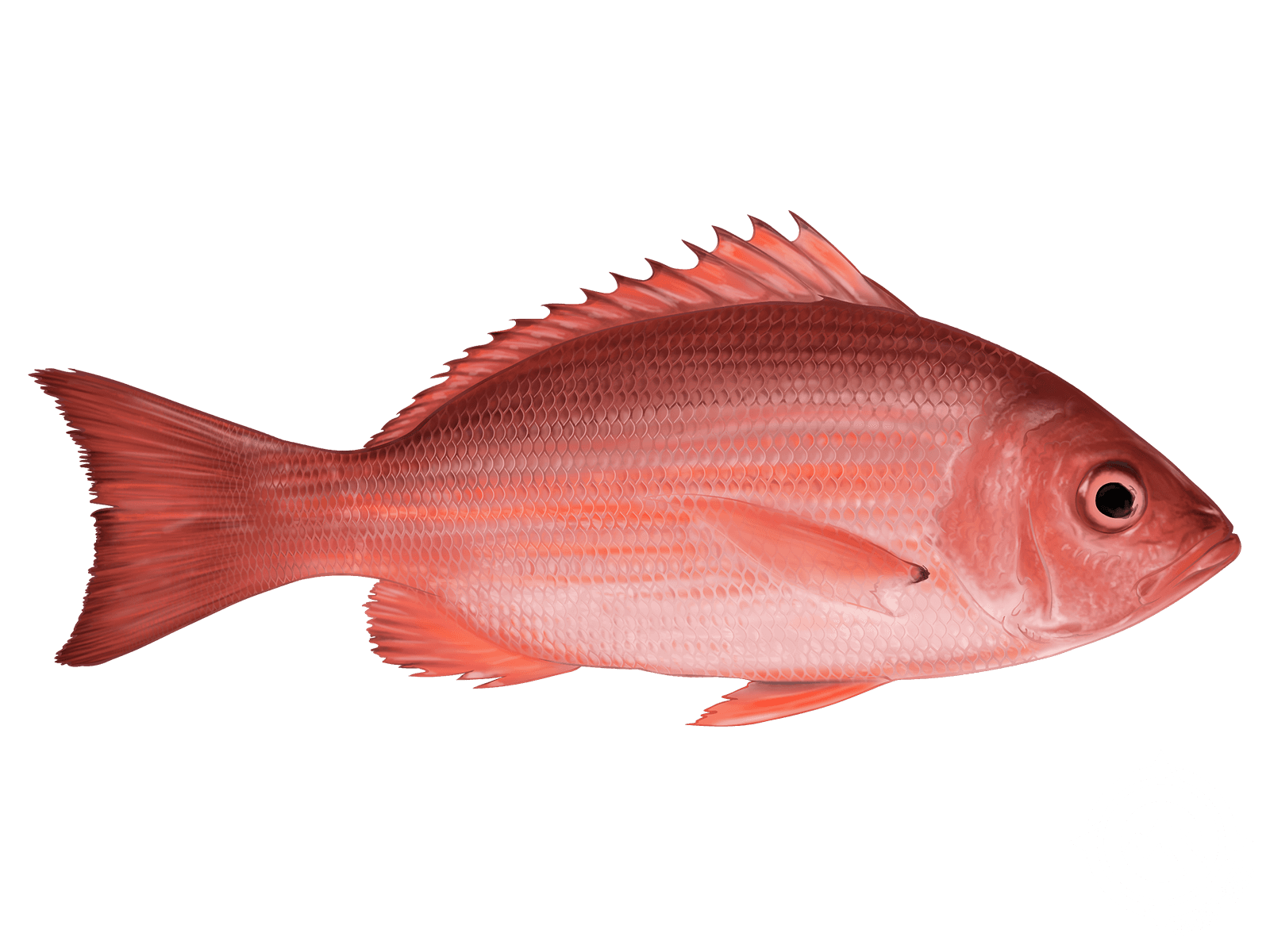
The Red Snapper, scientifically known as Lutjanus campechanus, belongs to the family Lutjanidae within the order Perciformes. This exceptional gamefish is one of the most sought-after species along the Atlantic coast and throughout the Gulf of Mexico, renowned for its brilliant red coloration, aggressive strike, and exceptional table quality. Red Snapper are true bottom dwellers that transform from pale pink juveniles into deep crimson adults, earning their reputation as trophy catches for both recreational anglers and commercial fisheries. Whether you're planning a fishing adventure in the Gulf of Mexico or exploring coastal waters, understanding this remarkable species will enhance your experience on the water.
Red Snapper Habitat and Distribution
Red Snapper thrive in the deep waters of the Atlantic coast and Gulf of Mexico, typically found at depths ranging from 30 to 620 feet. These fish prefer water temperatures between 50 and 70 degrees Fahrenheit, making them most active during moderate seasonal conditions. Juveniles inhabit shallower inshore areas with muddy bottoms, gradually migrating to deeper waters near structure as they mature. Adult Red Snapper are predominantly found near artificial and natural structures including reefs, wrecks, rocky outcroppings, and debris fields that provide shelter and concentrate forage fish. The Gulf of Mexico remains the primary hotspot for Red Snapper populations, with substantial populations extending down the eastern seaboard. Areas around Louisiana, Texas, and Florida's Gulf coast are particularly productive for encountering these fish.
Red Snapper Size and Weight
Red Snapper demonstrate impressive growth potential, with typical specimens caught by anglers ranging from 19 to 39 inches in length and weighing between 5 to 20 pounds on average. However, these fish can grow considerably larger under optimal conditions, with documented specimens exceeding 3 feet in length and weighing over 35 pounds. The world record Red Snapper weighed an astounding 50 pounds 4 ounces, a legendary catch landed off Louisiana waters in 1966. Most Red Snapper encountered in modern fisheries are between 4 to 6 years old, reflecting current population dynamics and regulatory management. These fish possess remarkable longevity, with lifespans exceeding 20 years, allowing mature individuals to reach exceptional sizes and weights.
Red Snapper Diet and Behavior
Red Snapper are carnivorous bottom feeders with a diverse diet consisting primarily of smaller fish and crustaceans. Their preferred prey includes cigar minnows, pinfish, pigfish, live squid, shrimp, and octopus, reflecting their opportunistic feeding strategy in deep-water environments. These aggressive hunters are most active during dawn and dusk periods, though they feed throughout daylight hours, particularly during slack tide periods when visibility and feeding conditions are optimal. Red Snapper exhibit strong territorial behavior, remaining in proximity to structure and cover where they ambush passing prey. Their reputation as fierce fighters stems from their powerful strikes and determined runs toward nearby cover—a characteristic that makes them exhilarating opponents for anglers. When hooked, Red Snapper will aggressively attempt to reach nearby structure, making rod strength and sharp hooks essential for successful encounters.
Red Snapper Spawning and Seasonal Activity
Red Snapper reach sexual maturity around 5 to 8 years of age, with larger, older females producing substantially greater numbers of eggs than their younger counterparts. A single 24-inch female can produce as many eggs as 212 seventeen-inch females, making size-selective reproduction a critical management consideration. The spawning season extends from May through October, with peak activity occurring during warmer months when water temperatures optimize reproductive success. Fertilized eggs drift to the surface and hatch within approximately one day, with larvae remaining in the planktonic water column before settling into shallow nursery habitats after about one month. As juvenile Red Snapper grow, they gradually migrate to deeper waters where they eventually establish residence near structure in the deep Gulf. This life history transition from shallow nurseries to deep offshore habitats reflects the species' adaptation to distinct environmental zones throughout their development.
Red Snapper Techniques for Observation and Capture
Bottom Fishing with Heavy Rigs: The most effective method for catching Red Snapper involves deploying heavy multi-hook rigs dressed with weights substantial enough to maintain bottom contact in deep water. Electric reels, manual reels, and handlines all prove effective when rigged properly. Bait your hooks with live pinfish, cigar minnows, fresh squid, or live shrimp, then lower your presentation to the bottom where Red Snapper congregate. The key to success lies in keeping your bait at or near bottom structure where these fish feed. Around the Gulf of Mexico's major fishing ports, charter captains utilize GPS and sonar to locate wreck structures and reef systems, deploying rigs precisely over productive bottom. Expect powerful strikes and immediate runs toward cover—maintain steady upward pressure to prevent your line from cutting on structure.
Fly Fishing for Surface-Active Fish: When Red Snapper move shallow or feed near the surface, fly fishing presents an exciting and productive alternative to traditional bottom techniques. Rig an 11 to 13-weight fly line with Clouser minnow or deceiver patterns that mimic local forage species. Some anglers employ chum slicks to concentrate Red Snapper before casting, then strip flies with erratic, natural-looking retrieve patterns. Present your fly to rising fish and work it back toward deeper water with consistent stripping action—Red Snapper will aggressively attack moving flies that resemble fleeing prey species. This technique works particularly well during early morning hours and slack tides when Red Snapper move into shallower water.
Targeting Structure and Seasonal Timing: Success with Red Snapper depends heavily on identifying productive structure and timing your fishing efforts around seasonal patterns. Focus on natural and artificial reefs, shipwrecks, rock formations, and other bottom features that hold concentrated populations. Spring and early summer, when water temperatures warm and spawning activity increases, represent prime fishing seasons. Target dawn and dusk periods when feeding intensity peaks, and plan your trips around slack tide periods when Red Snapper feed most aggressively.
Red Snapper Culinary and Nutritional Value
Red Snapper ranks among the most prized culinary fish, commanding premium prices in seafood markets and restaurants throughout the nation. The flesh features a mild, slightly nutty flavor profile with firm texture that holds up exceptionally well to various cooking methods. Whether baked, pan-fried, grilled, or steamed, Red Snapper delivers outstanding eating experiences that have made it an enduring favorite among seafood enthusiasts. To fully appreciate the delicate natural flavors, many chefs recommend minimal seasoning—simple preparations featuring salt, pepper, and fresh lemon juice allow the fish's inherent qualities to shine. Beyond culinary appeal, Red Snapper offers impressive nutritional benefits, serving as an excellent source of omega-3 fatty acids essential for cardiovascular and cognitive health. The fish is naturally low in calories, high in complete protein, and contains minimal saturated fat, making it an ideal choice for health-conscious diners. Red Snapper provides abundant B12 and vitamin D, along with important minerals including iron and potassium. Regular consumption supports heart health, enhances brain function, boosts immune response, and promotes healthy skin and hair development.
Red Snapper Frequently Asked Questions
Q: What is the best bait for catching Red Snapper?
A: Live pinfish and cigar minnows consistently outperform other bait options, particularly for larger specimens. Fresh squid, live shrimp, pigfish, and octopus also produce excellent results. The key lies in presenting fresh, lively bait on heavy rigs that reach bottom structure where Red Snapper feed. Experiment with combinations to determine what works best in your specific fishing location.
Q: Where can I find Red Snapper fishing opportunities in the Gulf of Mexico?
A: Major fishing ports throughout Louisiana, Texas, and Florida's Gulf coast provide excellent access to Red Snapper populations. Charter services in these areas operate specialized trips targeting deep-water structure. Public fishing piers in coastal communities occasionally offer opportunities during peak seasons, though private boat access typically provides superior fishing success.
Q: Is Red Snapper good to eat?
A: Absolutely—Red Snapper is exceptional table fare featuring mild, slightly nutty flavor and firm white flesh. The fish is highly nutritious, rich in omega-3 fatty acids, and works beautifully with various cooking methods. Most culinary experts recommend simple preparations that highlight natural flavors rather than heavy seasoning.
Q: When is the best time to catch Red Snapper?
A: The spawning season from May through October represents peak activity periods, with summer months typically offering the most consistent fishing. Within each day, dawn and dusk periods produce the most aggressive feeding activity. Slack tides create optimal feeding conditions regardless of season.
Q: How deep do I need to fish for Red Snapper?
A: Red Snapper inhabit depths ranging from 30 to 620 feet, though most productive fishing occurs between 60 and 300 feet. Always check current regulations and use GPS/sonar to identify structure at appropriate depths for your specific fishing area.
Q: What equipment do I need for Red Snapper fishing?
A: Heavy-duty conventional or electric reels paired with sturdy rods rated for deep-water applications work best. Bring quality multi-hook rigs with substantial weights, sharp hooks in appropriate sizes, and durable line rated for the depths and structure you'll encounter. Experienced anglers recommend having backup tackle and extra rigs to maximize fishing time.